The discussion of well-being often includes meditation and the benefits that it can have. However, the phrase is thrown around so much, and people have their own preconceived ideas of what meditation actually means, which may not always be correct.
What Is Meditation?
Simply put, meditation is a technique used to train the mind to bring awareness and attention to how you feel and to mentally check in with yourself. It is a technique that is used by between 200 and 500 million people around the world. It typically consists of stillness of the body and deep breathing in order to focus on how your mind is working and staying present in the moment, noticing when your mind wanders and bringing your attention back.
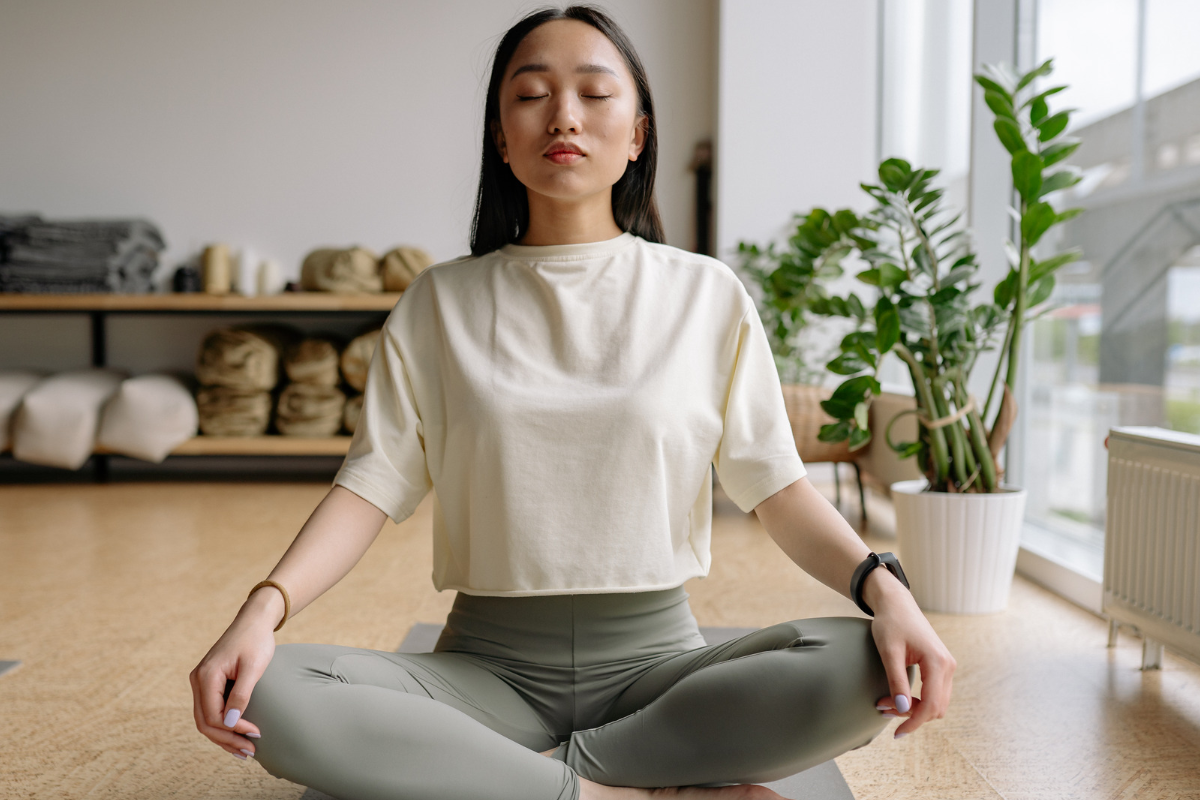
Meditation is a technique used by between 200 and 500 million people worldwide.
However, a common misconception about meditation is that you can’t get distracted at all. That is not the case. Meditation is meant to build your skill at redirecting your attention. So, if you are someone who has said that you could never do meditation because you get too distracted, then it may actually be the perfect practice for you.
When meditating, some people choose to focus on their breathing, the sounds around them, the sensations in their body, or switch between each of these in a session. When you are focusing on that specific thing, it is only natural that your mind will wander, but the important part of meditation is your ability to notice when you have been distracted and bring your attention back to what it was on before.

Bringing your focus back to your breath is a great way to practise meditation.
How To Meditate At Home
Beginning meditation without any form of guidance can often be quite daunting - believe me, we’ve been there! - but it doesn’t have to be. One of the beauties of having a mobile phone is being able to access meditation apps easily and pretty much anywhere. There are several apps that you can use to help ease you into meditating, which we’re going to suggest below:
Headspace (£9.99 a month/ £49.99 a year). Headspace provides not only meditations for all sorts of situations (exam stress, flight anxiety, dealing with bereavement, etc.) but also has movement videos to guide you through mindful exercise - some only ten minutes long! They have calming sleepcasts and sleep music to help send you into a restful sleep, and calming music playlists.
Calm (£39.99 a year). The Calm app is great for those who struggle with sleeping! The app has a plethora of sleep music and sleepcasts (I mean, who wouldn’t want to fall asleep to the sound of Harry Styles’ voice).
Insight Timer (free, with an option to upgrade for £35 a year).
You could also search for guided meditations on YouTube and find a number of videos to assist you through your meditation, if you don’t want to commit to an app.
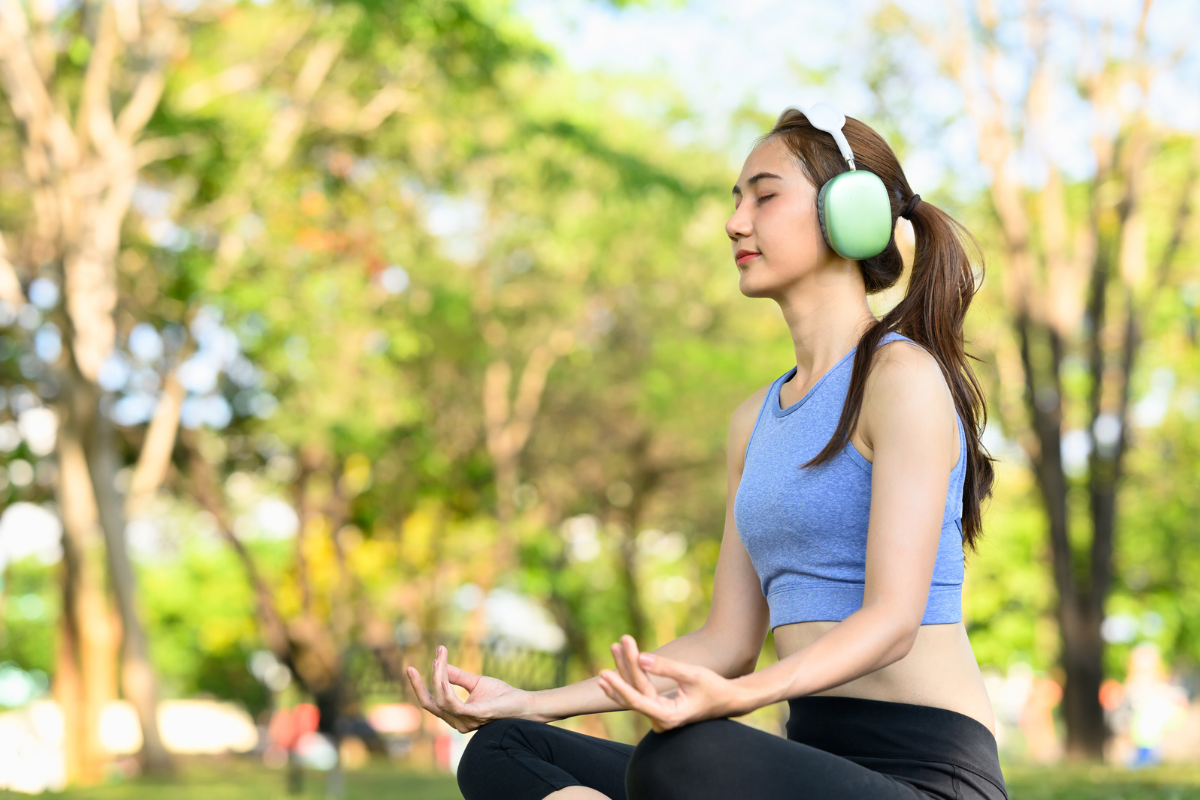
Guided meditation is a great way to start practising.
However, if you want to give it a try on your own, simply sitting in a quiet place and letting your mind focus on your breathing and your body’s contact with the seat is a great way to start.
How Does Meditation Work In The Brain
If you continuously meditate over time, your brain function can improve in relation to your memory and emotional regulation. When you are taking the time to slow down your thoughts and typical brain activity - which, let’s face it, can be overwhelming- it increases your dopamine and serotonin. This increase in your ‘happy hormones’ can help with your emotional regulation and awareness of your body. This awareness can help you to notice when your body is experiencing stress or anxiety which allows you to help regulate yourself when you notice it.
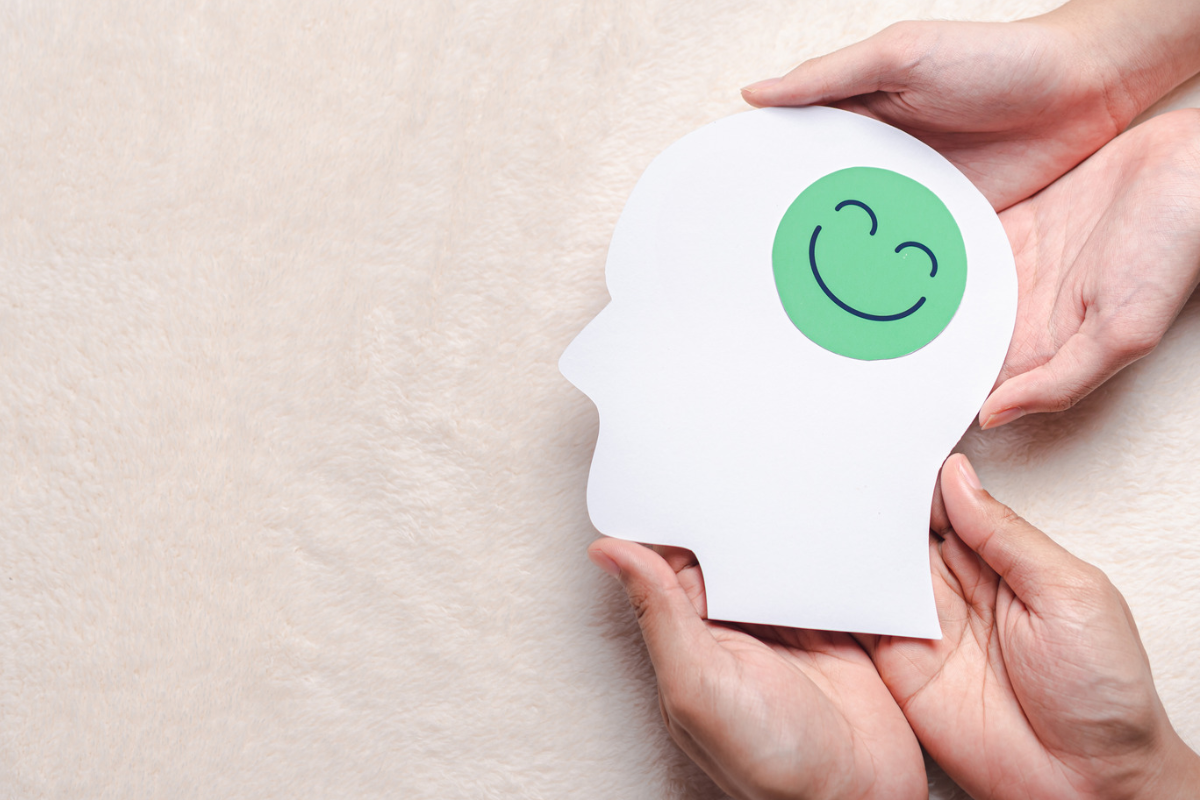
Meditation can help increase the ‘happy hormones’ in your brain.
Meditation can also have an effect on your body through the work that you are doing for your brain. Actively calming yourself down can activate your parasympathetic nervous system. When this system is activated, it can help to lower your heart rate and your blood pressure.
We know that so many people are dissuaded from meditation when they think that they have to sit still and magically make their mind go blank. We hope that we have shown that this is not the case and that it is a valuable skill to take forward in your wellbeing practices. The benefits of this exercise are clearly worth giving it a shot!
Want More Wellbeing Tips?
If you’re looking for more advice on how to get started on your wellbeing journey, have a read of our other free wellbeing articles.
At Sofia Magazine, we're bringing back online magazines and blogging. We write about the things that matter as you find your way through your teens and twenties, focused on beauty, fashion lifestyle and wellbeing.
Our Winter Issue is landing this December! Pre-order now or get every seasonal issue with The Exclusive subscription.
Join The Loyal Edit Newsletter
Stay up to date with our newest articles, every week, straight to your inbox.