You may have heard the term PCOS, or as of more recently PMOS, but have you ever truly understood what it meant? The aim of this article is to spread awareness about what PMOS is and the effect that it can have on the women who are diagnosed with it.
I was diagnosed with PCOS (polycystic ovary syndrome), as it was known at the time, at the age of 13. When I first heard the term, I truly had no idea what it meant. It was so overwhelming to have the term thrown at me at such a young age without any explanation of what it means. Along with the disheartening advice to ‘lose weight’ and ‘go on the pill’. Unfortunately this is not only my experience, but the experience of many of the 1 in 8 women in the UK who have the condition. So for those of you who don’t really understand what the condition is, I’m going to try and explain it in the most digestible way possible.
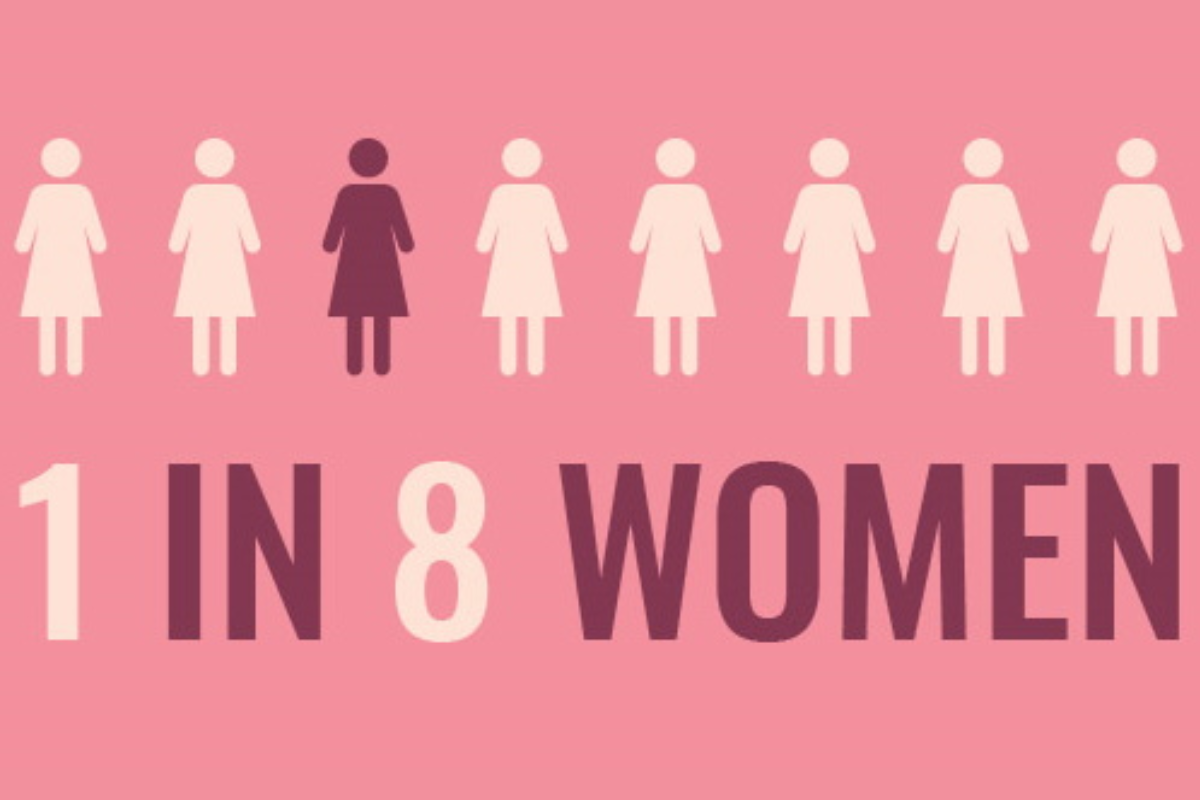
1 in 8 women in the UK have PMOS.
What Is PMOS?
PMOS as it is now known, is a hormonal condition which can present itself through many different symptoms. It typically starts during puberty and lasts all the way through to the menopause. However, the symptoms may not just disappear after the menopause - it can continue for long after. The causes of this condition are unknown, however it is largely pinned down to an off-balance in hormone levels such as insulin and testosterone that are not working properly.
Doctors often put PMOS down to hormone inbalances.
Although PMOS can often be dismissed as just a ‘woman’s issue’, it is a lot more than that and can often cause complications, so it is so important that it is taken seriously. Some of the complications that can arise from this condition are type 2 diabetes, cardiovascular disease and uterus cancer.
Why is PCOS now PMOS?
Earlier this year, the name PCOS was changed to PMOS. This stands for Polyendocrine Metabolic Ovarian Syndrome. The name change was welcomed by the International PCOS Network as the new name is far more inclusive. Originally, PCOS was centered around the existence of cysts on the ovaries. However, as women with the condition know, there is a lot more to it than that. The symptoms of the condition can affect your whole body.
What are the symptoms of PMOS?
There are a plethora of symptoms that can really affect the everyday life of people who have PMOS. Some of the symptoms are:
Irregular periods (or no periods at all)
Fluctuating weight
Excessive hair growth or hair loss
Difficulty getting pregnant
Mental health issues such as anxiety or depression (often linked to PMOS in studies)
Hormonal acne
Fatigue
Dark patches on your neck or armpits (acanthosis nigricans)

PMOS can present very difficult symptoms.
However, this list does not include many other symptoms that women with PMOS experience. It is very important that you see a doctor if you are experiencing these symptoms and get tested for PMOS. The test for this condition is often a blood test, and sometimes an ultrasound to look at your ovaries.
Treatments for PMOS
Unfortunately, due to a lack of research on the condition, there is currently no cure for PMOS. Women's health in general seems to be a victim of gender bias in medical studies. For example, erectile dysfunction (which affects about 19% of men) has five times the amount of research than premenstrual syndrome (affects 90% of women). Overall, there is a lack of research into common conditions that women suffer with.
The treatments that are offered for PMOS are a combined or progestogen-only pill. Weight loss medications can also be offered if you are struggling to lose weight whilst struggling with PMOS. Acne treatments such as creams or medications can be offered if you struggle from hormonal acne. However, as clearly shown above, the treatments that are offered for PMOS treat the symptoms rather than addressing the root of the condition.

The pill is often prescribed for women that are diagnosed with PMOS.
Another treatment that can be offered to women that have PMOS and are struggling with their fertility, is laparoscopic ovarian drilling. This uses heat or lasers which removes the tissues from around your ovaries to help with the release of more eggs and ovulation.
If you have PMOS and you are looking for some support or advice and you feel as though you are not getting this from your GP, there are resources that you can use. The Verity is a website that offers support and information for anyone living with PMOS.
Want More Updates On Women’s Health?
If you want to keep up with what’s going in women’s health and updates, have a look at out free wellbeing articles.
At Sofia Magazine, we're building a quieter alternative to social media, filled with honest beauty, fashion, lifestyle and wellbeing content.
Our Winter Issue is landing this December! Pre-order now or get every seasonal issue with The Exclusive subscription.